

Service Intelligence System
Staffing firms scaled on relationships until relationships became the bottleneck. This prototype shows what the structural fix looks like — and why it applies to every business where trust is the product.
The Problem
Relationship-driven firms grow until their model works against them.
The firms that win early in high-touch services win on people. Sharp recruiters, trusted advisors, consultants who know things that aren't written down. That's a genuine competitive advantage — until scale demands consistency the model was never designed to produce.
At a certain size, knowledge that lives in individuals becomes a delivery risk. Process that lives in inboxes becomes an operational tax. The firm keeps performing, but the effort required to maintain quality compounds faster than revenue does.
The website is where this becomes visible first. Not to the firm — to every prospect who lands there and can't figure out what makes you different, what working with you actually looks like, or what to do next.
Transformation
Industry pain → Systemic structure
Pain Point
Commoditization didn't come from competitors. It came from sameness.
Why It Exists
When positioning is built on service quality and relationship depth — things every firm claims — the market has no framework for choosing between you. "White glove." "Results-driven." "Trusted partner." These phrases signal effort, not differentiation. The prospect can't tell you apart because your language gives them no reason to.
Sharp Category Narrative
Positioning built around a structural argument — who you serve specifically, what condition you solve, and why your process produces outcomes others can't replicate. Expressed as a system, not a slogan.
Pain Point
The client's experience of your process begins before you've said a word.
Why It Exists
By the time a prospect reaches out, they've already formed a working hypothesis about your firm. That hypothesis is built entirely from what your website makes legible — or fails to. Most service firm sites communicate credibility without communicating process. The client doesn't know what working with you looks like, so they fill the gap with assumption or move on.
Client Journey Architecture
A public-facing process structure that makes the engagement model visible. Intake, qualification, matching, delivery — each stage named, each expectation set. The prospect arrives at the first call already oriented.
Pain Point
The tooling grew reactively. The system never did.
Why It Exists
Most staffing operations weren't architected — they accumulated. An ATS for tracking, a CRM for clients, LinkedIn for sourcing, email for everything else. Each tool solved an immediate problem. Collectively, they created a coordination layer that runs on manual effort and institutional memory.
Unified Operating Flow
One connected sequence spanning intake through reporting, designed as a system with deliberate handoffs rather than a stack of adjacent tools. The prototype expresses this as a coherent experience — visible to the team, legible to the client.
Pain Point
Candidate experience was never designed. It was inherited from the software.
Why It Exists
ATS platforms optimize for recruiter workflow. The candidate side — application clarity, status visibility, feedback cadence — is structurally secondary. What candidates experience is determined less by the firm's intent and more by whatever defaults ship with the platform. For firms whose product is talent, that's a material liability.
Talent-Side Experience Layer
A candidate journey with explicit stage visibility, defined response windows, and simplified decision points. The firm's process becomes an attraction asset — something candidates tell other candidates about.
Pain Point
Growth exposes what intuition was holding together.
Why It Exists
In smaller firms, quality is a function of who's doing the work. Senior people carry the standards. Junior people learn by proximity. That works until the team grows beyond the proximity range of the people who know what good looks like. At that point, variation enters — and variation in a trust-based service business is indistinguishable from decline.
Repeatable Delivery Infrastructure
Qualification criteria, handoff logic, workflow templates, and communication standards that make quality structural. The standard becomes the system, not the person.
Pain Point
The website functions as a presence, not as infrastructure.
Why It Exists
Most service firm websites were built to exist — to give the firm a credible address on the internet. They weren't built to do operational work. They don't reduce uncertainty. They don't qualify visitors. They don't make the next step obvious. They look professional and convert poorly, because looking professional was the brief.
Website as Operating System
A site architecture where every section carries functional weight. The positioning block qualifies the right client. The process section reduces uncertainty. The proof section earns trust on logic, not volume. The CTA creates a specific next action. The site works.
Prototype Summary
Five layers. One connected system.
Every section of this prototype maps to a structural failure in how high-touch service businesses present, operate, and deliver. Nothing here is decorative. The design decisions are structural decisions — made visible.
Diagnostic Comparison
The presence trap vs. the operating system
Most staffing sites are built to exist. This one is built to work. Here's what changes when a website becomes infrastructure.
The Presence Trap
Staffing Solutions
Connecting People to Opportunity
We provide staffing solutions across manufacturing, logistics, administrative, and technical roles nationwide.
Open Positions
Representative example — not an actual client site
Diagnostic findings
Generic positioning
"Connecting People to Opportunity" applies to every firm. No signal of who they serve or why their process is different.
No process visible
"We Listen, We Match, We Deliver" describes intent, not method. No idea what working with this firm looks like.
No comp shown
Candidates must apply blind. The highest-quality passive candidates won't bother.
The Operating System
Staffers
The right sales talent doesn't come from a search. It comes from knowing where to look.
We specialize in placing top-tier sales professionals. We run a structured search built around your organization, culture, and the specific profile that actually performs.
UX architecture model — illustrative rendering
Structural signals
Sharp category positioning
Specific niche, specific problem, specific outcome stated in the first sentence.
Process visible above the fold
Five stages shown before the first call. The prospect arrives oriented, not guessing.
Comp always shown
OTE visible on every role card. Retained search label signals exclusivity and process.
Arch29 · Perspectives
arch29.com/perspectivesWhat's Included
Features built into this prototype
A complete service operating system. Built for staffing. Transferable to any business where trust compounds over multiple high-stakes interactions.
Design Principles
The thinking behind the system
Experience is now a structural variable
AI commoditized candidate matching faster than most firms anticipated. The remaining differentiator is how the process feels to everyone inside it — clients, candidates, and the team running it. That's a design problem.
Structure signals maturity
Firms that can show their process — clearly, publicly, without hedging — signal something their competitors don't. Clients aren't just buying an outcome. They're buying confidence in the path to it.
The website is the first operational layer
Before the first call, before the first email, a prospect is constructing a model of your firm. A site that makes positioning clear, process legible, and next steps specific is doing operational work. Most sites aren't.
The model is not staffing-specific
Legal services. Healthcare staffing. Executive advisory. Management consulting. Any business where trust accumulates across multiple high-stakes interactions has the same structural problem. Staffing is the proof lens. The system is the product.
Validation
Six pain points. Six structural solutions. All verified against the prototype.
Before building, every industry pain point was mapped against the prototype to verify the system actually addressed the problem — not just described it.
Sharp Category Narrative
Commoditization didn't come from competitors. It came from sameness.
Client Journey Architecture
The client's experience of your process begins before you've said a word.
Unified Operating Flow
The tooling grew reactively. The system never did.
Talent-Side Experience Layer
Candidate experience was never designed. It was inherited from the software.
Repeatable Delivery Infrastructure
Growth exposes what intuition was holding together.
Website as Operating System
The website functions as a presence, not as infrastructure.
Intentional Restraint
Not an ATS replacement
Not a CRM
Not a marketing automation tool
This is the operating layer between the firm and the market — the part most service businesses never design.
Explore the full Service Intelligence System prototype.
Public portfolio. Live candidate portal, active roles board, client intake, and status tracking. One conversation to determine fit.
Common Questions
What staffing leaders are asking — and what the research shows.
What should a staffing firm website include to convert clients and candidates?
A staffing firm website needs to do three things most don't: make the firm's positioning specific enough that the right client self-selects, make the process visible enough that a prospect knows what working with you looks like before they reach out, and give candidates a reason to submit their profile rather than just their resume.
The minimum viable structure is a clear positioning block, a named process with stages, a candidate journey with defined expectations, outcome-based proof, and a CTA that creates a specific next action — not a generic contact form.
This prototype demonstrates all five working together as one system.
What is the difference between retained search and contingency recruiting?
Contingency recruiting means the recruiter only gets paid if they fill the role first. That structure incentivizes speed and volume over fit and retention.
Retained search means the client pays a fee upfront to engage the firm exclusively, which aligns incentives around quality of placement rather than being first to submit.
For senior sales roles and specialist positions, retained search consistently produces better 12-month retention outcomes because the recruiter can run a thorough intake and qualification process without racing against other firms.
Why do sales hires fail within the first 12 months?
Most new sales hire failures are not skill failures — they are motivational misalignment and cultural mismatch. The root cause is almost always in the intake stage: the hiring environment wasn't properly diagnosed before sourcing began.
Compensation structure, team dynamics, selling motion, and management style all affect whether a strong sales professional will perform in a specific role.
Firms that run structured intake before sourcing — mapping culture, comp structure, ramp expectations, and team dynamics — produce significantly higher retention rates than firms that begin sourcing from a job description alone.
How do top staffing firms find candidates without job boards?
The firms producing the best placements for senior and specialist roles source entirely through direct network outreach and relationship-based search.
Job boards optimize for active candidates — people who are already looking, which in sales typically means people who have already decided to leave or been let go. The highest-performing sales professionals are rarely active.
Direct outreach to passive candidates, referrals from placed candidates, and network-based sourcing consistently produces a higher quality shortlist than job board aggregation.
What does a modern candidate experience look like in recruiting?
A modern candidate experience has four non-negotiable elements: a transparent process with named stages, a defined response SLA communicated upfront, feedback at every decision point regardless of outcome, and a single place to track status rather than chasing updates via email.
The industry standard — submit a resume and wait, with no feedback unless selected — is both poor practice and a missed opportunity.
Candidates who experience a structured, respectful process refer other candidates. That referral network is a meaningful sourcing asset for specialist firms.
How long does a retained sales recruiting search take?
From signed engagement to qualified shortlist: 14 to 21 days. From shortlist to accepted offer: typically two to three additional weeks depending on the client's interview process and decision timeline.
The variable that most affects timeline is intake quality — searches where the hiring environment is thoroughly diagnosed at the start move faster because qualification criteria are sharper and shortlist candidates are better matched.
Firms that skip structured intake save a week at the front end and spend three weeks recovering from misaligned candidates.
What makes a specialist recruiting firm worth more than a generalist agency?
Specialization creates pattern recognition that generalists can't replicate at volume. A firm that places exclusively across one function — sales, for instance — has seen enough of the same role dynamics, compensation structures, career motivations, and failure modes to catch signals a generalist recruiter would miss.
That pattern recognition shows up in intake quality, qualification accuracy, and the ability to advise a client when their job description is miscalibrated.
The value isn't in the network size — it's in the depth of domain context applied to every search.
Related prototypes
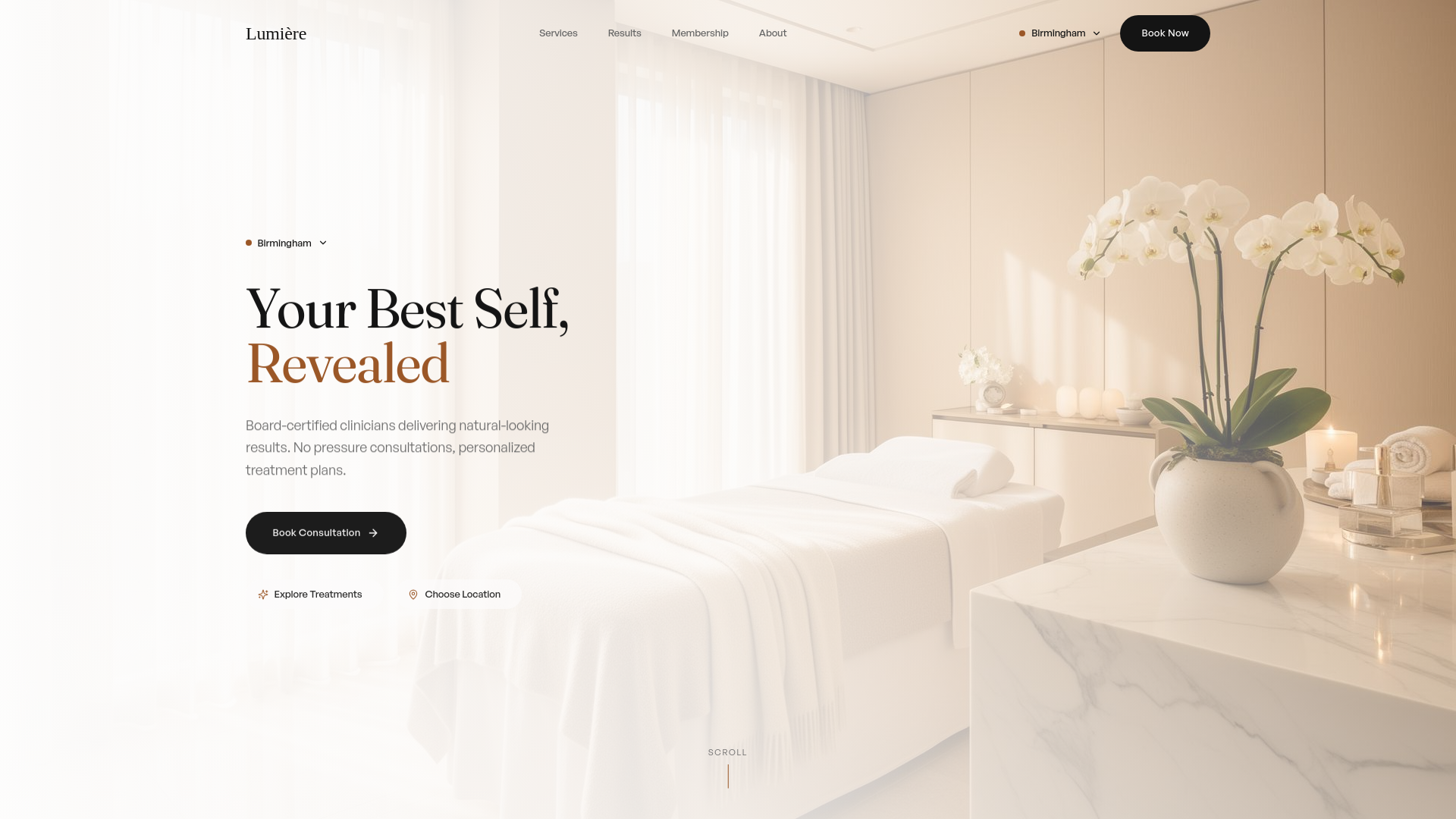
Booking site for a medical spa
Treatments, results and a five-step booking for a luxury aesthetics practice.
View case study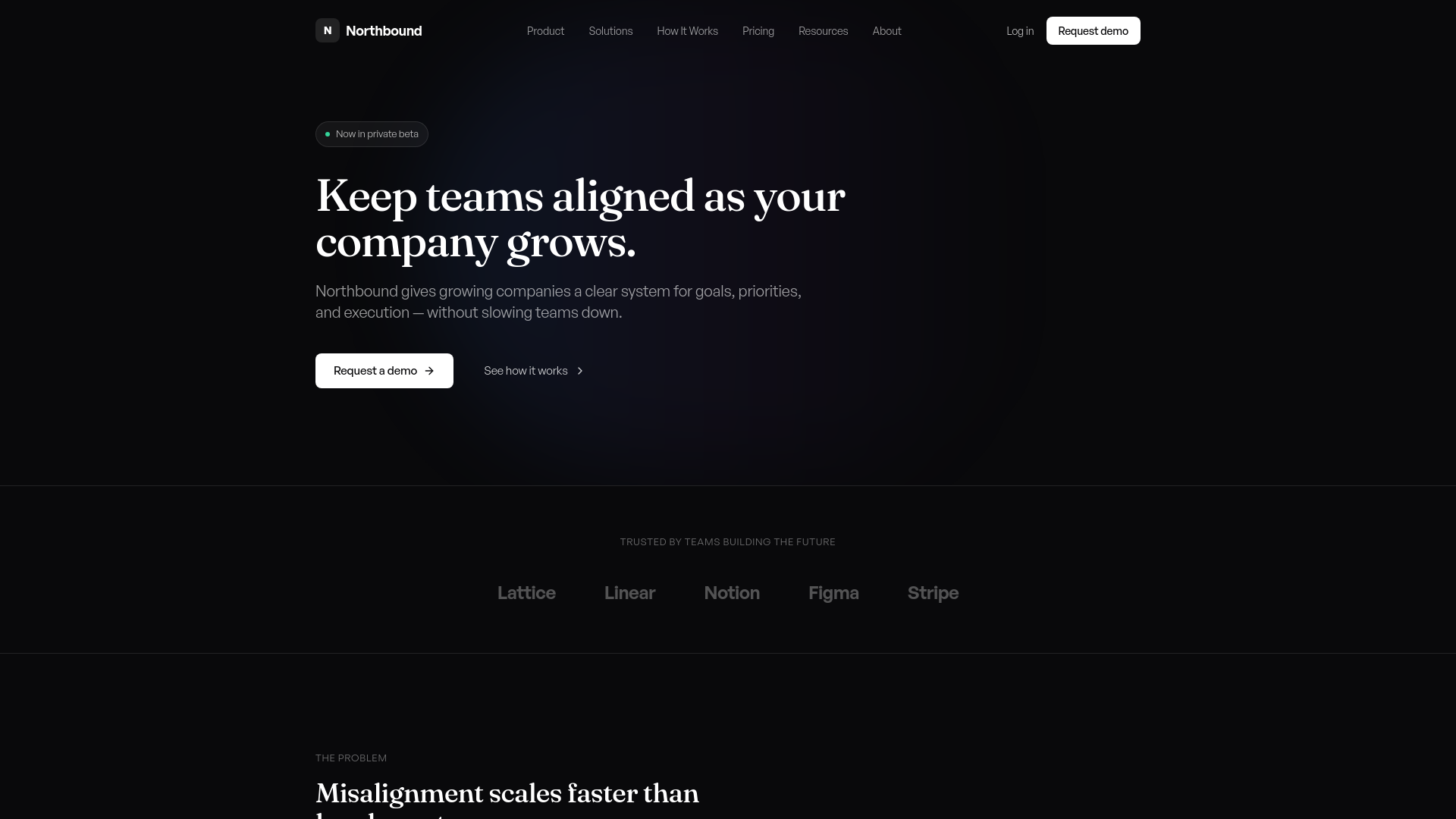
Marketing site for a SaaS startup
A product site the marketing team can update without engineering.
View case study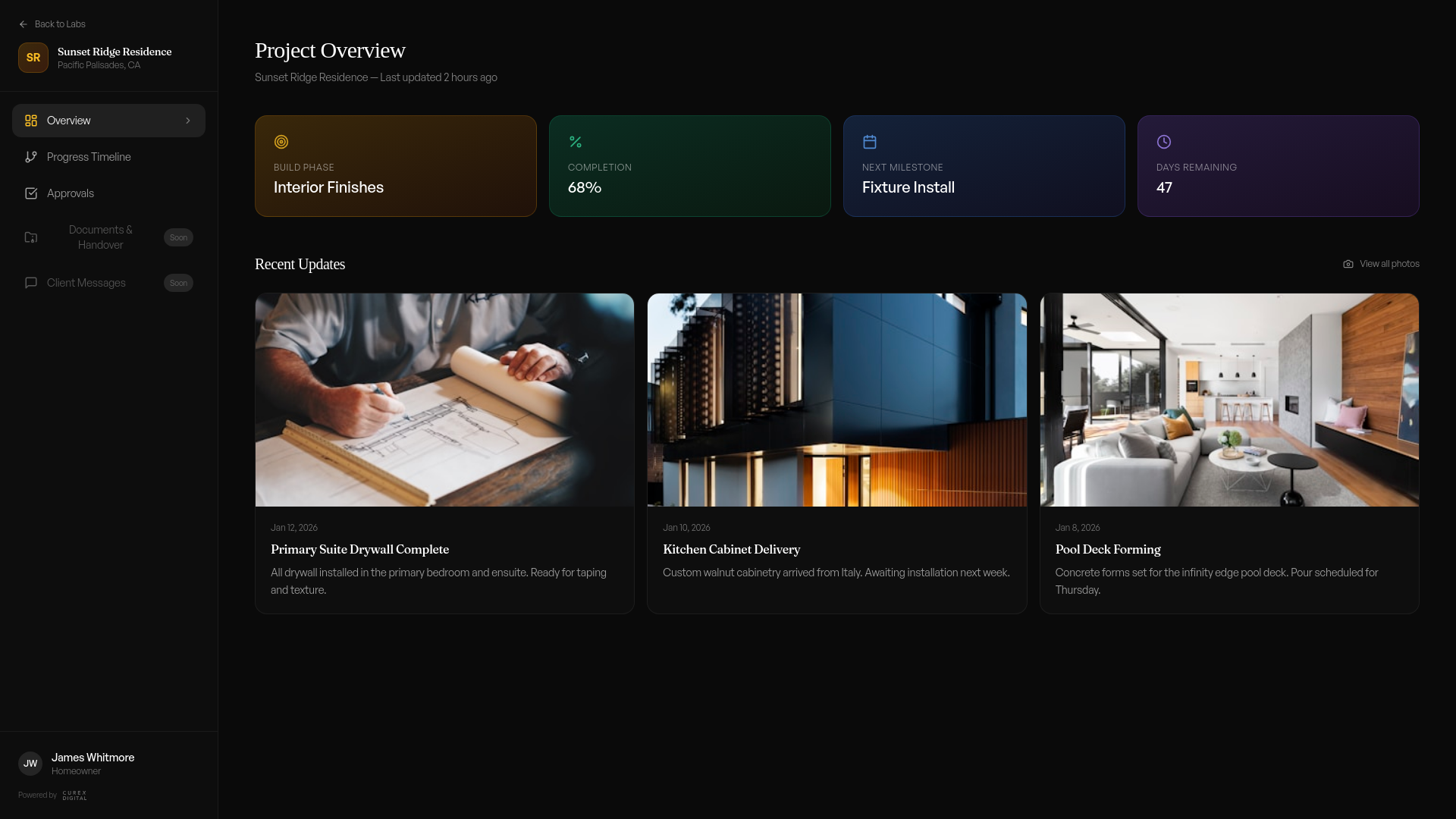
Client Portal for Builders
One portal for progress, client communication and handover.
View case study