

Asset Intelligence System
A structured operational layer for studios and distributors managing high-volume deliverables across global pipelines.
Who this blueprint serves
This system applies one conceptual framework through two independent operational models:
Production & Delivery Teams. Internal visibility, completeness tracking, and outbound delivery memory.
Ingest & Packaging Teams. Ingest, QC, and platform-delivery readiness.
Each view is designed to be deployed independently within a single organisation. They share a conceptual model — not a live data instance.
The Problem
Exceptional work is delivered through fragile systems.
Studios produce world-class content. Distributors package and deliver it globally. But the operational layer in between is often improvised.
Assets live in Dropbox folders. Approvals are buried in email threads. QC results sit in spreadsheets. Delivery records disappear after send.
As productions scale, so does invisible administrative complexity. The result: time lost to coordination, risk introduced through version confusion, and no structured operational memory.
Transformation
Industry pain → Systemic structure
Pain Point
SharedInvisible asset status across departments
Status Quo
Masters, audio mixes, subtitles, and artwork exist in shared folders — but no one can confidently answer 'what's approved, what's missing, and what version did we send?' Status lives in someone's memory or a spreadsheet last updated three weeks ago.
Completeness Grid
A structured completeness grid with ownership, version, and approval state per asset. One view answers the question for every stakeholder — without a phone call.
Pain Point
StudioMarketing teams searching for approved materials
Status Quo
PR needs a still. Awards needs a trailer. Marketing needs a poster. Each time, someone emails the coordinator asking 'which version is cleared?' The same question, asked differently, every week.
Approved Asset Library
A centralized approved asset library across projects — searchable, version-defined, and share-ready. Eliminates the repeated manual collection that drains coordinator time.
Pain Point
DistributorQC workflows disconnected from source files
Status Quo
QC results sit in a separate spreadsheet. When an asset fails, the fix request goes via email. The new version arrives in a folder. Connecting these events requires human memory.
Embedded QC Workflow
QC is embedded directly into asset records with version history. Each pass, fail, analyst note, and fix request is attached to the asset itself — not scattered across tools.
Pain Point
SharedDelivery confirmations scattered across inboxes
Status Quo
A package is assembled, zipped, and sent. The confirmation sits in one person's email. Six months later, nobody can prove what version was included or when it arrived.
Delivery Memory
A persistent delivery log with included assets, version numbers, recipients, and timestamps. Every send becomes part of permanent operational memory.
Pain Point
DistributorNo visibility into packaging readiness
Status Quo
Distributors assemble platform packages manually — checking off requirements from PDFs, cross-referencing folders. Missed assets surface after submission, creating costly rejection cycles.
Readiness Dashboard
Title-level readiness dashboards show missing assets, QC failures, and territory coverage at a glance. Packaging gaps are visible before they become delivery failures.
Pain Point
SharedVersion confusion introducing delivery risk
Status Quo
v2 or v3? The final, the final-final, or the one with the audio fix? Naming conventions vary by project. The wrong version gets delivered. Corrections cost weeks.
Version Intelligence
Structured version history per asset — every revision tracked with status, date, and notes. The current approved version is always unambiguous.
Infrastructure
The system does not replace Dropbox. It organizes what already exists.
Files remain where teams already work. The framework introduces structured mapping, version tracking, approval gating, and delivery logging — on top of existing storage infrastructure.
Storage
Dropbox
Files live in linked folders. The system reads — never stores.
Mapping
Deliverable Assignment
Each file is mapped to a structured deliverable. Meaning is assigned.
Metadata
Version & Status
Version history, ownership, and approval state are tracked per asset.
Approval
QC & Clearance
Pass/fail results, marketing clearance, and delivery approval are gated.
Delivery
Permanent Record
Every send is logged with versions, recipients, and timestamps.
Dropbox provides the files. The system provides the meaning.
The System
A structured operational model applied within both studio and distributor environments.
Each environment operates from its own role-specific view — seeing assets through the lens of its operational reality.
Either side can be deployed independently. The prototype shows both to illustrate how the same conceptual framework adapts to different operational contexts.
Studio View
Production & Delivery Teams
Asset & Delivery Overview
Active projects, asset completeness, approval status, and missing deliverables at a glance.
Completeness Grid
Masters, audio, subtitles, artwork, stills, trailers, and documents — each with owner, version, and approval state.
Approved Asset Library
Cross-project repository of marketing-cleared materials. Searchable, version-defined, share-ready.
Delivery Builder
Outbound deliveries assembled from approved assets. Every send recorded as permanent operational memory.
Distributor View
Ingest & Packaging Teams
Ingest & Packaging Overview
Titles ingested, assets awaiting QC, failures pending resolution, and deliveries in progress.
Deliverables Matrix
Per-title tracking of masters, IMF packages, audio mixes, subtitles, and territory coverage.
QC Workflow
QC attached to the asset itself — version tested, pass/fail, analyst notes, and fix request history.
Platform Templates & Delivery Log
Predefined packaging structures per platform. Structured history of every package sent and accepted.
What's Included
Features built into this prototype
Every component solves a specific operational problem — asset tracking, QC management, delivery logging, and approval gating across both studio and distributor workflows.
Design Principles
The thinking behind the system
Structure before automation
Operational clarity precedes efficiency. The model creates legible workflows before introducing automation.
Existing infrastructure first
No replacement of storage systems. Structure is layered on top of where teams already work. Adoption requires no migration.
Role-specific legibility
Each environment surfaces the view its operators need. The same conceptual model adapts to different operational contexts.
Permanent memory
Every asset, approval, QC result, and delivery is traceable. Nothing disappears into an inbox or a folder rename.
Intentional Restraint
Not a MAM system
Not a file browser
Not a project scheduler
This system reads Dropbox. It does not replace it. The operational layer sits above storage — where coordination, approval, and memory happen.
See it in action
Explore the prototype to experience structured asset tracking, QC integration, and delivery logging.
Not every team needs both sides today. We tailor the implementation to your role in the pipeline.
Related prototypes

Booking site for a medical spa
Treatments, results and a five-step booking for a luxury aesthetics practice.
View case study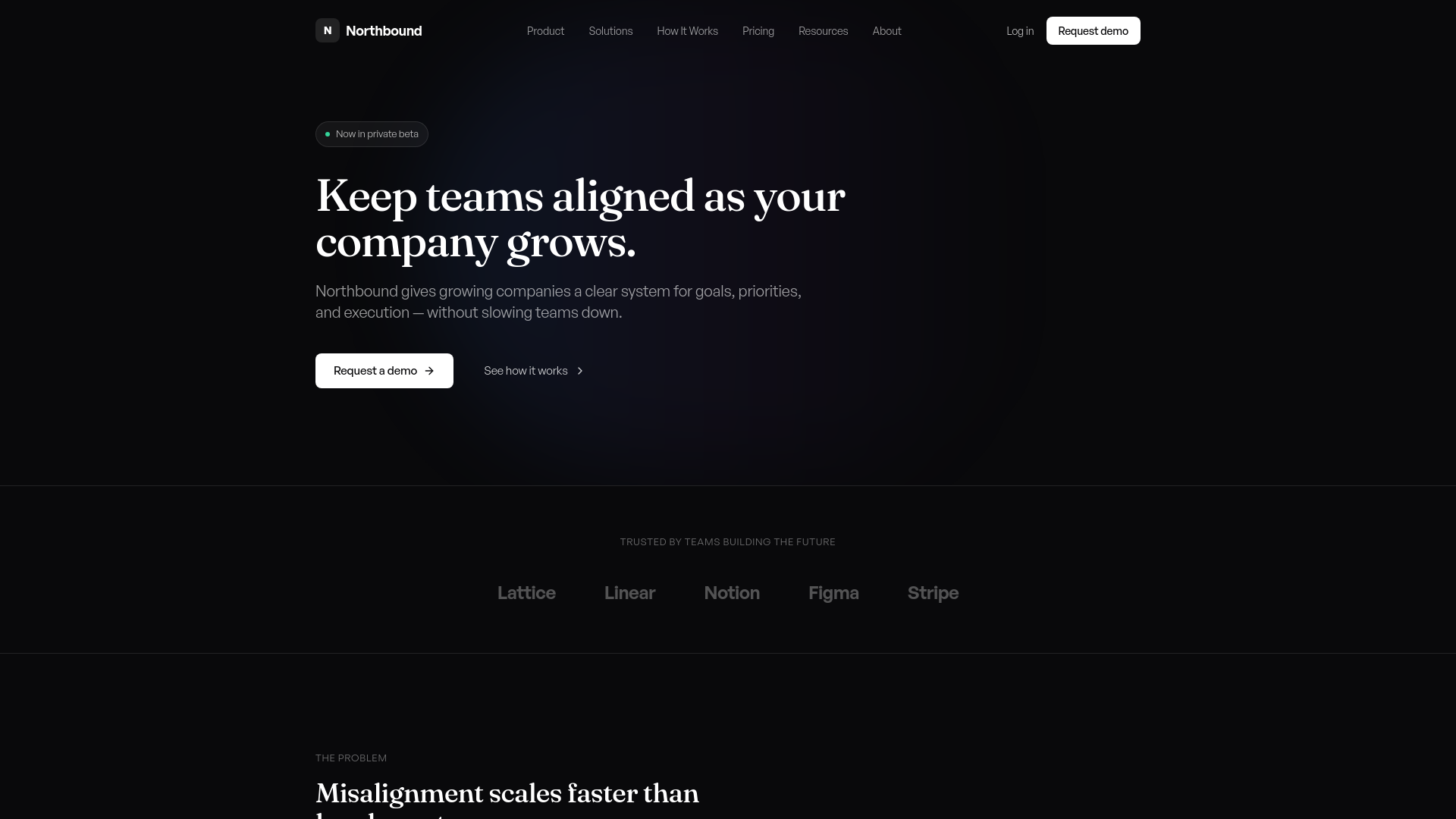
Marketing site for a SaaS startup
A product site the marketing team can update without engineering.
View case study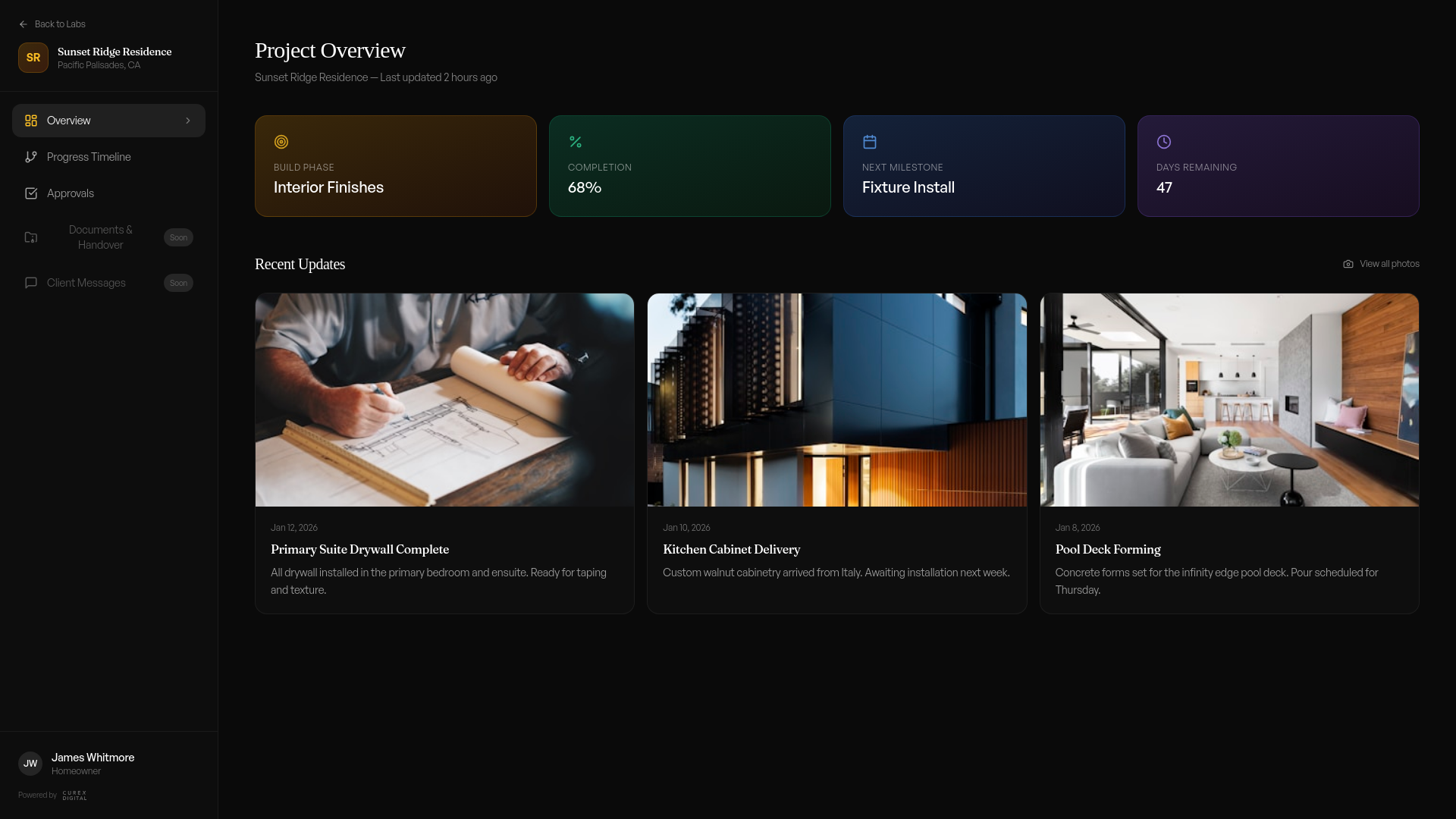
Client Portal for Builders
One portal for progress, client communication and handover.
View case study